School Safety Audits: What to Expect and Why They Matter for Leadership
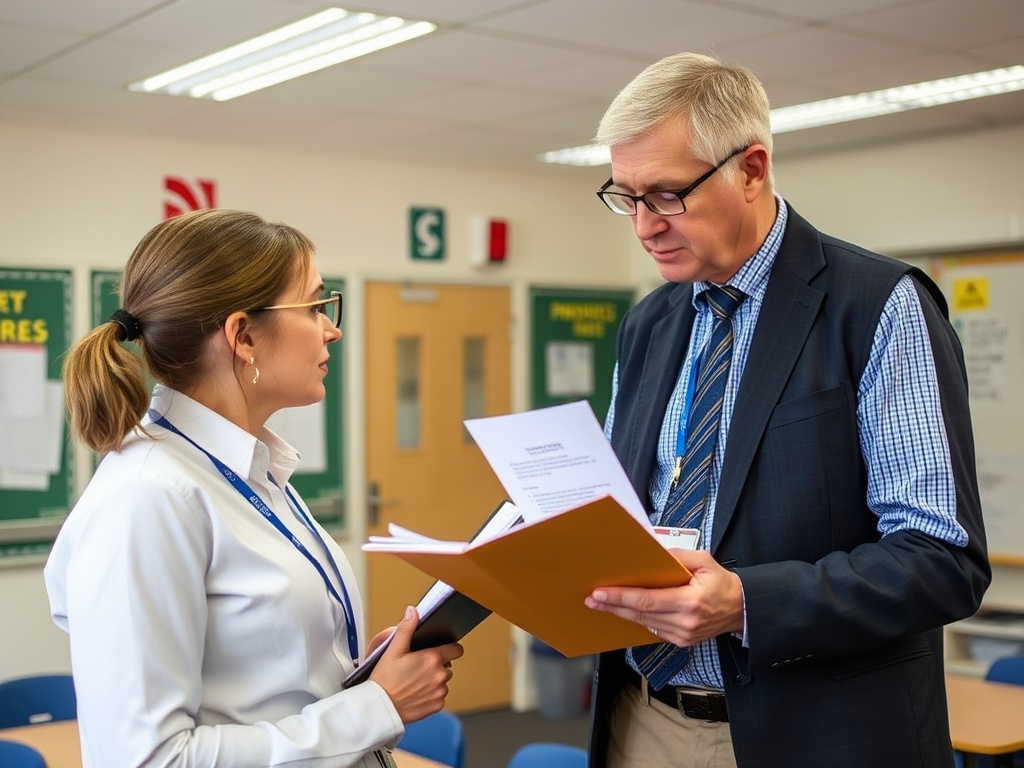
School safety audits are one of the most powerful tools available to school leaders — not just for identifying risks, but for demonstrating that the school operates under control. Yet many school leaders approach audits with uncertainty, unsure what to expect or how they benefit the organization.
What is a School Safety Audit?
A school safety audit is an independent, systematic examination of your school’s health and safety systems, practices, and compliance. It goes beyond a simple checklist inspection. A proper audit evaluates:
- Governance structures — Are safety responsibilities clearly defined and assigned?
- Risk identification — Have hazards been properly identified and assessed?
- Control measures — Are there systems in place to manage identified risks?
- Compliance — Is the school meeting its legal obligations?
- Culture and behavior — Do staff and students understand safety expectations?
- Evidence and documentation — Can the school demonstrate what it’s doing and why?
Why External Audits Matter
Many schools have internal safety assessments conducted by staff. These are valuable, but they have limitations. External auditors bring:
Credibility
An external auditor brings independence and professional standing. Their findings carry weight with governors, enforcement bodies, and in legal proceedings. When an external auditor certifies that your safety systems are robust, that’s defensible.
Broader Perspective
Someone who audits multiple schools sees what good looks like across different contexts. They understand sector-specific best practice and can identify where your school differs from comparable organizations.
No Conflicts of Interest
Internal staff may be reluctant to report on areas they manage. An external auditor has no allegiance to particular managers or departments — only to identifying the true state of safety management.
Enforcement-Informed Assessment
Experienced auditors understand how enforcement bodies investigate schools. They evaluate your systems through the lens of “could we defend this if enforcement scrutiny arose?” This perspective is invaluable.
What to Expect During an Audit
A thorough school safety audit typically includes:
Document Review
The auditor will review policies, procedures, risk assessments, incident records, training records, and governance minutes. They’re looking for evidence that safety decisions are documented and considered at leadership level.
Site Inspection
Walking the school, identifying hazards, checking maintenance, reviewing access control, assessing emergency procedures. The auditor observes how safety is implemented in practice, not just documented in policy.
Staff Interviews
Speaking with key staff — the head, safety officer, facilities manager, governors — to understand how safety is understood and managed across the organization.
Risk Assessment Review
Evaluating whether identified risks are proportionate, whether control measures are appropriate, and whether residual risks are acceptable and documented.
Governance Evaluation
Assessing whether governors receive regular safety reporting and whether they ask challenging questions. Do governors demonstrate active oversight?
The Audit Report
A quality audit report should include:
- Strengths — Where the school is doing well (important for confidence and for identifying what to maintain)
- Improvements areas — Specific, prioritized recommendations for enhancement
- Risk assessment — How significant are the identified gaps?
- Action plan — Clear steps to address findings, with ownership and timelines
- Governance summary — For governing body review and decision-making
How Audits Protect Leadership
From a governance perspective, audits are protective:
Evidence of Due Diligence
If an incident occurs and enforcement bodies investigate, being able to demonstrate that the school commissioned an independent audit — and acted on findings — shows that leadership took safety seriously and exercised appropriate oversight.
Identifying Gaps Before They Cause Problems
An audit identifies risks before they result in incidents. This is far preferable to learning about gaps after something goes wrong.
Clear Accountability
When an auditor identifies improvement areas, it creates clarity about what needs to change and who owns it. Boards can track implementation and hold leadership accountable.
Continuous Improvement Evidence
Regulators look for evidence of continuous improvement. Commissioning regular audits and acting on findings demonstrates that the school is committed to learning and development.
The Frequency Question
How often should schools audit? This depends on:
- Risk profile — Higher-risk schools or those with previous concerns should audit more frequently
- Change — Following major organizational changes or new facilities, an audit validates that systems are adequate
- Maturity — Newly established safety systems may benefit from annual audit; mature, stable systems might audit every 2-3 years
- Governance expectation — Some trusts require annual auditing; this provides regular assurance
The Cost-Benefit Reality
Some school leaders worry that audits are expensive. They are — a thorough school safety audit costs significant money. But consider the alternative: discovering a major safety gap after an incident, facing enforcement investigation, potential legal action, and reputational damage.
The cost of an audit is modest compared to the cost of an incident.
After the Audit: Making It Count
An audit’s value depends on what happens next:
- Present findings to governors — They need to understand what was found and why it matters
- Develop clear action plans — Who owns each improvement? When will it be completed?
- Track implementation — Board members should monitor progress toward completion
- Report back — Share updates on improvements with the auditor and governing body
- Plan follow-up — Schedule the next audit to assess whether improvements have been sustained
Schools that commission audits but don’t act on findings haven’t gained the benefit. The value comes from using audit findings to drive genuine improvement.
The Governance Message
For school leaders, the message is clear: external, independent auditing is one of the strongest ways to demonstrate that your school operates under systematic control. It’s not about being perfect — it’s about understanding where you are, having a plan to improve, and being able to evidence that journey.
When enforcement bodies investigate incidents, one of their first questions is: “Did this school have independent assurance of its safety systems?” Schools that can answer yes, and can show they acted on findings, are far better positioned.
The School Safety People conduct independent, governance-focused school safety audits designed to provide school leaders with assurance and with defensible evidence of systematic safety management. Learn more about how auditing can protect your leadership.
Related Articles
Why Schools Need Competent Safety Advice: Beyond Compliance to Real Protection
Discover why competent safety advice is essential for schools, not just a legal tick-box—and how it protects leaders, reduces risk, and strengthens governance.
Read more →Why I Expect Every School to Conduct an Annual Safety Audit
A consultant's perspective on why school safety audits are non-negotiable for leadership protection, governance accountability, and defensible safety management.
Read more →