Health and safety enforcement has fundamentally changed. It's no longer just an operational issue. When serious incidents occur, enforcement bodies focus directly on school leaders and Trustees. They examine governance, accountability and control. Without defensible systems in place, school leaders face personal investigation, prosecution, and in serious cases, imprisonment.
As a specialist school safety consultancy, we work at governance level to help school leaders understand their accountability, identify exposure, and build defensible systems that demonstrate control. Leadership protection isn't optional risk management—it's essential for anyone in a position of governance responsibility.
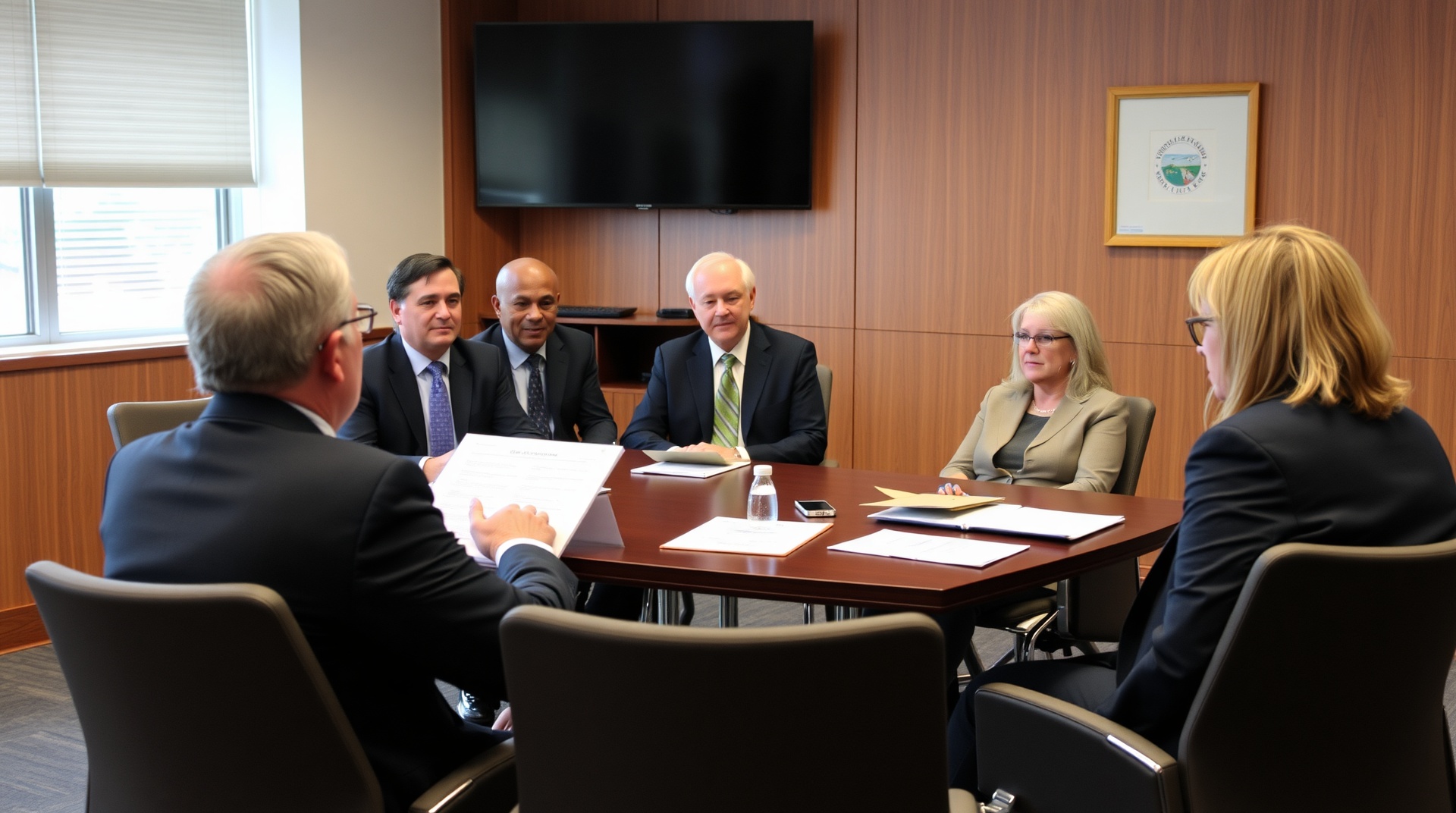
Our leadership protection service is not a compliance checklist. It's a governance-level advisory that helps school leaders understand their accountability, identify exposure in their current governance structures, and build defensible systems that protect them from enforcement risk. We work at the level of Headteachers, CEOs, Trustees and Governors.
Governance-Level Review of Safety Accountability
Assessment of how safety accountability flows through the organisation
Leadership Oversight Assessment
Review of how leadership exercises oversight and control
Competence and Duty Holder Review
Review of competence and duty holder ownership across levels
Identification of Defensibility Weaknesses
Clear identification of gaps that could expose leaders to risk
Structured Recommendations
Prioritised recommendations to strengthen protection
Formal Shield Audit Report for CEOs and Trustees
Executive-level report suitable for confidential governance review
Health and safety law places direct accountability on school leaders. Under the Health and Safety at Work Act 1974, Headteachers, CEOs, Trustees and Governors have statutory duties—not as a team, but personally. This is not delegable. You cannot pass accountability down the chain and escape it yourself.
Following a serious incident—a child injury, a near-miss that went wrong, or any significant failure—enforcement bodies investigate. They examine whether you, as a leader, exercised proper control. They look for evidence of governance. They assess whether you understood the risks. And they determine whether you took reasonable steps to control them.
If that investigation finds inadequate governance or control, enforcement action can extend to prosecution of individuals. This is not theoretical. School leaders have been prosecuted under health and safety law. Trustees have faced legal action. The shift from operational safety (the responsibility of site managers or operations teams) to governance accountability (the direct responsibility of senior leaders) is now complete.
The shift is clear: Health and safety is no longer an operational issue delegated to staff. It is a leadership and governance responsibility with personal legal consequences. The question is not whether you have safe practices in place—it's whether you can evidence that you knowingly, actively managed them.
When regulators investigate following a serious incident, they assess leadership against specific criteria. These are real-world questions that enforcement bodies ask. They focus on governance, oversight, and decision-making—not on whether accidents happen, but on whether you managed them properly.
Can you evidence that senior leaders were aware of the hazards in your school? Do you have documented risk assessments? Can you show that leaders reviewed them and made decisions based on them?
Is there evidence of governance structures, oversight systems, and active management? Or is there a chain of delegated responsibility with no clear leadership engagement?
When leaders made decisions about risk management, were they informed by professional advice? Can you evidence competent decision-making? Or were decisions made without proper consideration?
Do you have systems showing that leaders monitored performance, reviewed outcomes, and held people accountable? Or is there a pattern of delegation without accountability?
If problems were identified (through audits, incidents, complaints, or expert advice), is there evidence that leadership took action? Or is there a pattern of known risks being ignored or delayed?
These questions determine whether enforcement bodies view leadership as competent and in control, or as negligent and exposed. The difference between these two assessments can be the difference between no action and prosecution.
Based on real enforcement cases and audit findings, certain governance gaps consistently expose school leaders to risk. These are the areas where we focus our health and safety governance advisory work.
These exposures are not technical failures—they are governance failures. They represent a gap between what leadership should be doing (actively managing, evidencing oversight, making informed decisions) and what they're actually doing (passive delegation without control).
The Shield Audit is a specialist governance assessment specifically designed to help school leaders understand and reduce their personal accountability risk. It's not about ticking compliance boxes—it's about identifying governance gaps that could expose you to enforcement action, and building defensible systems that demonstrate you, as a leader, have exercised proper control.
The Shield Audit addresses these core protection questions:
The Shield Audit delivers a formal assessment of your governance structures, identifies specific gaps that could expose leadership, and provides structured recommendations to strengthen protection. It's the evidence you need to demonstrate to enforcement bodies (or to your own governing body) that you, as a leader, understand your accountability and have put defensible systems in place.
As a school safety consultancy, we work at governance level to help you understand the accountability you face, identify where your school is exposed, and build defensible systems that protect you from enforcement risk. Talk to us about how leadership protection through the Shield Audit can strengthen your position.